Results of Using GPT-5.1-Codex-Max on the Plus Plan — Real Limits, Real Value in Building Stock Analysis Software
A native-level deep dive into how GPT-5.1-Codex-Max quickly hits its Plus-plan limits, yet delivers exceptional value for building complex stock analysis software.
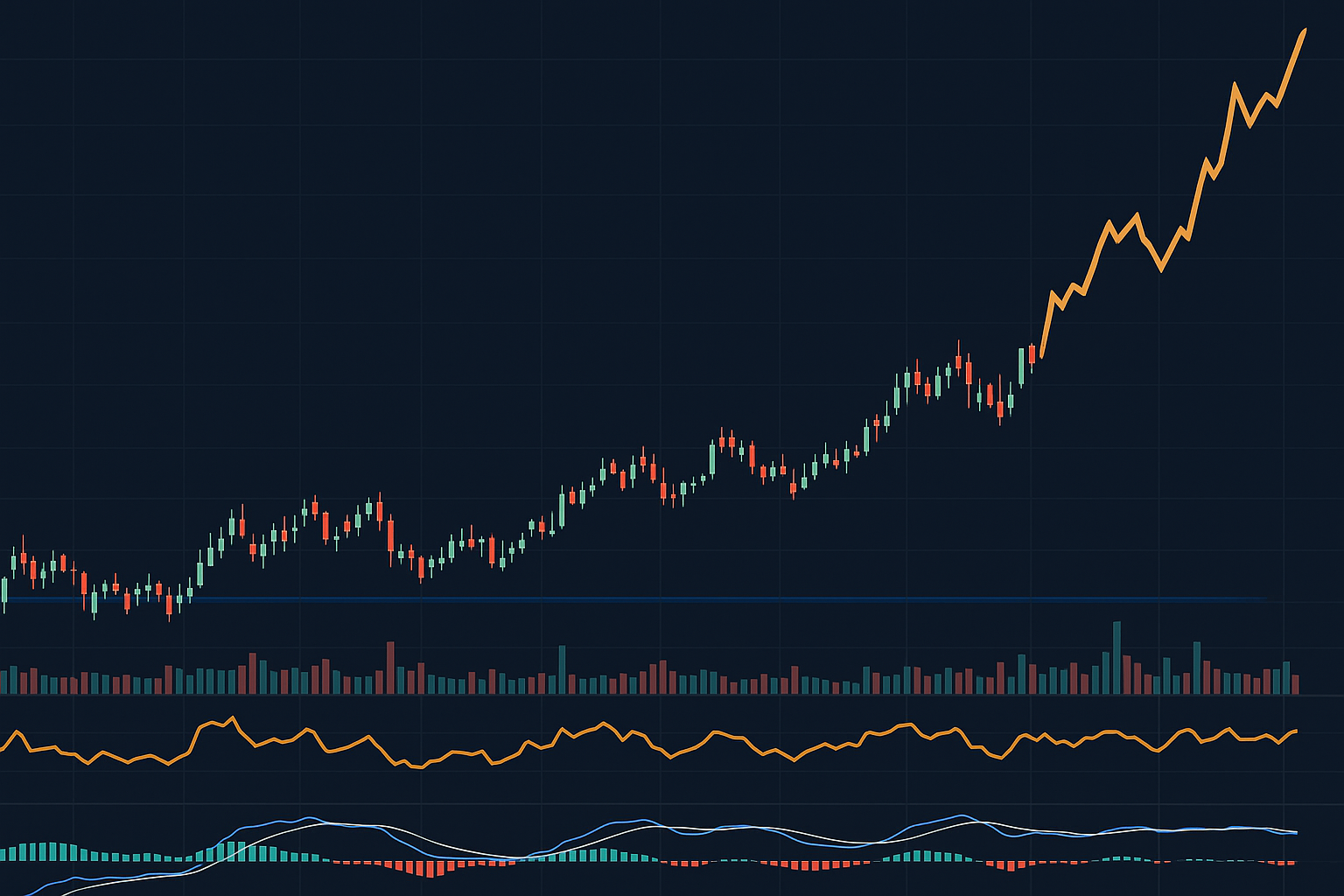
Results of Using GPT-5.1-Codex-Max on the Plus Plan — Real Limits, Real Value in Building Stock Analysis Software
Introduction
If you’ve ever thought, “I want to use Codex-Max more, but I hit the Plus plan limit instantly,” you’re not alone.
Developers working with complex prompts—especially those involving stock-analysis logic, multi-file architectures, and iterative refinement—often discover that the Plus plan’s token cap arrives much faster than expected.
Yet ironically, hitting the limit is what reveals Codex-Max’s true value.
The quality of the outputs generated before the limit is reached is remarkably high—practical, consistent, and often production-ready. Codex-Max doesn’t just assist development; it reshapes the pace and workflow entirely.
Based on hands-on experience pushing the Plus plan to its absolute ceiling, this article explores:
- Why complex prompts reach the limit so quickly
- Why the tool remains worth using despite those restrictions
- What strengths Codex-Max demonstrated while building a real stock-analysis application
Let’s break down the reality behind the limits—and the results.
Why GPT-5.1-Codex-Max Hit the Plus Plan Limit So Quickly
Complex prompt structures
- Stock-analysis software requires dozens of indicators, formulas, thresholds, and scoring logic to be shared repeatedly
- A single request consumes a large amount of tokens between the prompt and the generated output
- Code generation inherently burns more tokens than standard text output
Iterative, interactive development increases load
- The loop of modify → test → refine continues throughout development
- Each revision requires Codex-Max to reload and reason across the entire project context
- Even one focused day of development can push the Plus plan to its limit
Characteristics of Codex-Max itself
- Its high-precision reasoning results in polished, lengthy explanations
- Outputs often include code samples, reasoning notes, and alternative approaches
- This thoroughness accelerates token consumption far faster than expected
Why Using It to the Limit Still Feels “Worth It”
Consistency of logic is exceptional
- Integrated scores using multiple indicators remain structurally sound
- Code is clean, readable, and logically stable
- Revision requests maintain consistency without unexpected side effects
Critical specifications are filled in automatically
- Codex-Max proactively suggests missing checks or edge-case handling
- Improvements such as explosion-score tuning benefited significantly from AI-driven refinement
- Omissions and contradictions decreased dramatically, improving overall quality
Fully workable prototypes can be built within hours
- Even from scratch, Codex-Max rapidly shapes code into a running prototype
- Work that typically takes weeks compresses into a single session
- Bugs, type mismatches, and structural issues are spotted and corrected instantly
Strengths Codex-Max Demonstrated in Stock Software Development
Algorithm design that integrates multiple indicators
- Seamless combination of RSI, MACD, volume ratios, moving-average divergence, and more
- Natural normalization and weight distribution
- A score system that remains coherent across revisions
Strong stability in data structures and type management
- TypeScript definitions stay consistent and accurate
- Rust + WASM pipelines remain structurally aligned
- Required adjustments are generated immediately and logically
Faster, clearer discussions around backtesting specifications
- Setting thresholds for momentum and “explosion” conditions
- Defining multi-day return windows
- Establishing validation rules and edge-case handling
These conversations—which normally take developers hours or days—are condensed into minutes.
Summary
- Codex-Max shines the most when dealing with complex, multi-layered prompts
- The Plus plan’s token limits are strict, but the results often outweigh the constraint
- Even large-scale logic such as stock-analysis scoring can be shaped quickly and reliably
- Using the tool up to its limit highlights the expanding potential of AI-powered development
Create first. Worry about limits later.
That’s the most valuable lesson from pushing Codex-Max to its edge.
Discover Snippet
Even logic so complex you might abandon it can be transformed by AI into something unexpectedly practical—and surprisingly fast.
Related Explorations
- Codex-Max in VSCode explains how the editor hooks into the model for seamless prototyping.
- GPT-CodexMax stock development shares the hands-on workflows that inspired this article’s examples.
- Quantum AI security lays out the risk controls that keep high-privilege tooling safe while you explore Codex-Max.